

Key takeaways
- Business loans typically offer 2-5x higher borrowing limits than personal loans, with SBA microloans reaching $50,000 and 7(a) loans up to $5 million
- Personal loans fund faster (often 1-7 days) but put your personal assets at risk and do not build business credit history
- According to the Federal Reserve, 43% of employer startups used personal funds or loans in their first year of operation
- Business loan APRs range from 7-25% depending on loan type, while personal loan APRs average 12.35% for borrowers with good credit
- Startups operating less than 2 years may find personal loans easier to qualify for due to limited business financial history
Choosing between a business loan and a personal loan for your startup is one of the most consequential early financial decisions you will make. The answer depends on several factors including your personal credit score, how long your business has been operating, how much capital you need, and whether protecting your personal assets is a priority. Both options have distinct advantages and trade-offs that every founder should understand before applying.
How SmarterLends Helps With This
SmarterLends simplifies this decision by analyzing your specific situation - including your credit profile, business age, and funding requirements - to match you with lenders offering the most favorable terms. Our platform compares both business and personal loan options from our network of vetted lenders, showing you transparent rate ranges and qualification requirements before you apply. This prevents unnecessary credit inquiries and helps you identify whether a business loan, personal loan, or alternative funding source makes the most sense for your startup stage.
Understanding the Core Differences
 Weighing your funding options requires understanding the distinct paths available to founders.
Liability and Asset Protection
The most significant difference between these loan types is how they affect your personal liability. A personal loan is exactly that - a debt obligation tied directly to you as an individual. If your startup fails, you remain fully responsible for repaying the entire balance from your personal assets.
Business loans, particularly those made to LLCs or corporations, can offer some separation between business debts and personal assets. However, most lenders require personal guarantees from startup founders, which reduces this protection. The key advantage is that a properly structured business loan helps establish your company as a separate legal and financial entity.
Credit Building Implications
Personal loans report to consumer credit bureaus like Equifax, Experian, and TransUnion. This means your startup debt affects your personal credit utilization ratio and debt-to-income calculations for future mortgages or car loans.
Business loans report to commercial credit bureaus such as Dun & Bradstreet, Experian Business, and Equifax Business. Building a strong business credit profile allows your company to eventually qualify for larger loans without personal guarantees - a critical milestone for growth.
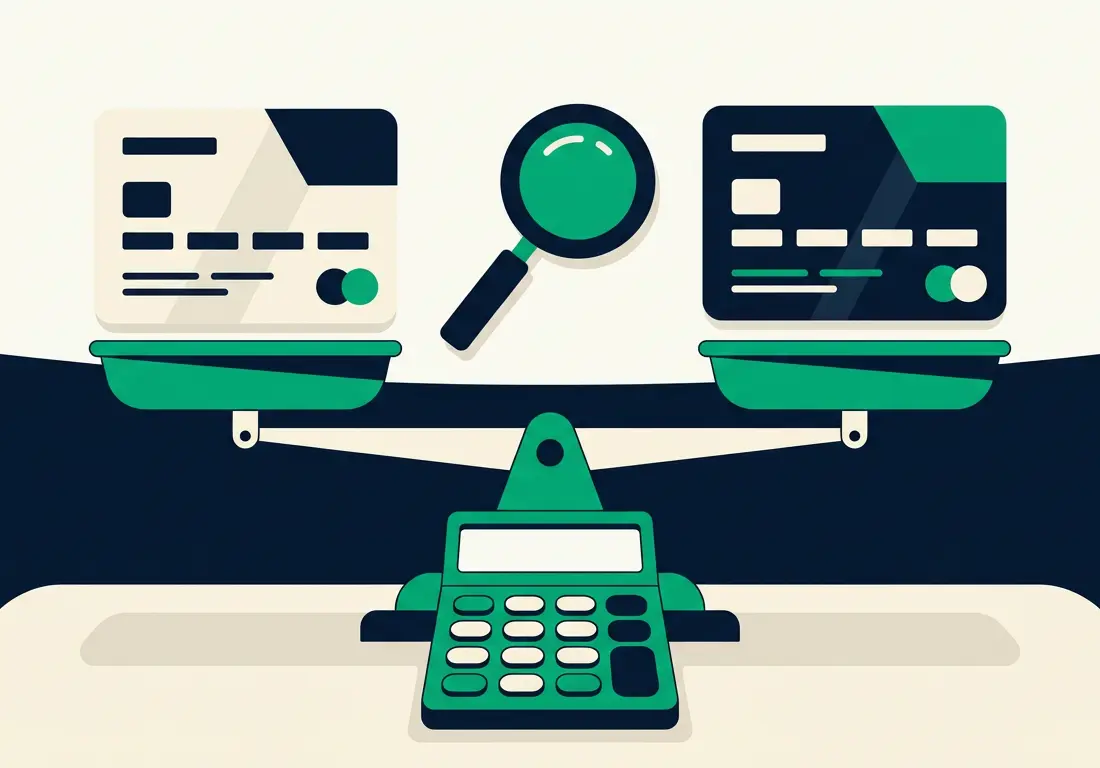
Compare APR, term, total cost, and time to funding before deciding.
Comparing Rates, Terms, and Limits
The practical differences in loan structures significantly impact your total cost of capital and cash flow flexibility.
Interest Rates and APR
Personal loan rates depend primarily on your individual credit score and income. According to Federal Reserve data, the average personal loan interest rate was 12.35% in Q4 2025 for borrowers with good credit scores above 670.
Business loan rates vary more widely based on loan type, lender, and risk assessment. SBA-backed loans offer some of the lowest rates available to startups, with the SBA 7(a) program capping rates at Prime plus 2.25-2.75% for loans under $50,000.
- AprLow
- AprHigh
Borrowing Limits
Personal loans typically cap at $50,000-$100,000 depending on the lender and your income. Business loans offer substantially higher ceilings. SBA microloans provide up to $50,000 for early-stage businesses, while 7(a) loans extend to $5 million for qualified borrowers.
| Factor | Personal Loan | Business Loan |
|---|---|---|
| Maximum Amount | $50,000-$100,000 | $50,000-$5,000,000+ |
| Typical APR Range | 8%-36% | 7%-25% |
| Funding Speed | 1-7 days | 2-12 weeks |
| Credit Score Minimum | 580-670 | 620-680 |
| Time in Business Required | None | 0-2 years |
| Collateral Required | Usually none | Often required |
| Builds Business Credit | No | Yes |
Repayment Terms
Personal loans generally offer terms of 2-7 years with fixed monthly payments. Business loans provide more flexibility, with SBA loans offering terms up to 10 years for working capital and 25 years for real estate purchases. Longer terms mean lower monthly payments, preserving cash flow during the critical early growth phase.
When a Personal Loan Makes Sense for Your Startup
Despite the advantages of business financing, personal loans remain a practical choice in several scenarios.
Pre-Revenue or Pre-Launch Stage
If you are still developing your product or service and have no business revenue to report, most business lenders will decline your application. Personal loans based on your employment income and credit history can bridge this gap.
Speed is Critical
Online personal lenders often fund within 1-3 business days after approval. Business loans, particularly SBA-backed options, can take 30-90 days to close. When you need to secure inventory for an unexpected opportunity or cover an urgent expense, personal loan speed matters.
Smaller Capital Needs
For funding requirements under $25,000, the simplicity of a personal loan may outweigh the credit-building benefits of business financing. The application process is typically faster and requires less documentation.
When a Business Loan is the Better Choice
Funding Needs Exceed $50,000
If your startup requires significant capital for equipment, inventory, or hiring, business loans provide access to larger amounts with more favorable terms than stacking multiple personal loans.
You Have 6+ Months of Business History
Once your business has generated revenue and filed taxes, you qualify for a broader range of business financing options. Many online business lenders approve startups with just 6 months of operation and $50,000 in annual revenue.
Long-Term Growth Planning
Building business credit from day one positions your company for better financing terms as it grows. A track record of responsible business borrowing can eventually eliminate the need for personal guarantees and unlock larger credit facilities.
SBA Loan Options for Startups
The U.S. Small Business Administration offers several programs specifically designed to help startups access capital that might otherwise be unavailable.
SBA Microloans
These loans provide up to $50,000 through nonprofit intermediary lenders. The average microloan is approximately $13,000, making this program ideal for very early-stage businesses. Interest rates typically range from 8-13%, and terms extend up to 6 years.
SBA 7(a) Loans
The flagship SBA program guarantees loans up to $5 million for qualified small businesses. While startups can qualify, most 7(a) lenders prefer at least 2 years of business history. Strong personal credit above 680 and industry experience can help overcome limited time in business.
Community Advantage Loans
This program extends SBA-backed financing through mission-focused lenders serving underserved markets. Loan amounts reach $350,000 with more flexible qualification requirements than traditional 7(a) lending.
Real Cost Comparison Example
Consider a startup needing $30,000 in working capital. Here is how the total cost differs between loan types:
| Loan Type | Amount | APR | Term | Monthly Payment | Total Interest Paid |
|---|---|---|---|---|---|
| Personal Loan | $30,000 | 14.5% | 5 years | $705 | $12,300 |
| Online Business Loan | $30,000 | 18% | 3 years | $1,084 | $9,024 |
| SBA Microloan | $30,000 | 9.5% | 6 years | $550 | $9,600 |
| Business Line of Credit | $30,000 | 12% (draw) | Revolving | Interest only on drawn amount | Varies |
The SBA microloan offers the lowest monthly payment and competitive total interest cost while building business credit. However, the 60-90 day approval timeline may not work for urgent needs.
Making Your Decision
 Strategic capital planning shapes your startup's financial trajectory for years to come.
Evaluate your specific situation using these criteria:
First, assess your timeline. If you need funds within two weeks, personal loans or fast-funding online business lenders are your realistic options. SBA loans require patience.
Second, calculate your total funding requirement. For amounts under $25,000, personal loan simplicity often wins. For larger needs, business financing provides better terms and higher limits.
Third, consider your existing personal debt load. If you already carry significant personal debt, adding a startup loan to your personal credit report could harm your credit score and future borrowing capacity.
Fourth, evaluate your business structure. Sole proprietors have less separation between personal and business finances regardless of loan type. LLCs and corporations benefit more from establishing distinct business credit profiles.
The Hybrid Approach
Many successful founders use both loan types strategically. A personal loan might fund initial product development when no business history exists. Once the company generates revenue, transitioning to business financing for growth capital builds the credit profile needed for future expansion.
The key is planning your capital strategy rather than simply taking whatever funding you can access first. Each borrowing decision affects your options for years to come.
Ready to explore your funding options? Use SmarterLends to compare personalized loan offers from both business and personal lenders. Our matching technology analyzes your complete profile to identify the most favorable terms available - whether that means a business loan, personal loan, or combination approach tailored to your startup stage. Get matched with lenders in minutes without impacting your credit score.
Frequently asked questions
Sources(4)
- 1.Small Business Credit Survey: 2025 Report on Employer FirmsFederal Reserve Banks · Accessed 2026-04-21
- 2.7(a) Loan Program OverviewU.S. Small Business Administration · Accessed 2026-04-21
- 3.SBA Microloan ProgramU.S. Small Business Administration · Accessed 2026-04-21
- 4.Consumer Credit - G.19 ReleaseBoard of Governors of the Federal Reserve System · Accessed 2026-04-21
Continue exploring
Funding products
Related questions
Tools & calculators
Ready to see what your business qualifies for?
Check eligibility in minutes. It won't impact your credit score.