

Key takeaways
- Equipment serves as its own collateral, reducing lender risk and improving approval rates for businesses with limited credit history
- Section 179 allows businesses to deduct up to $2.56 million in qualifying equipment purchases for 2026, while bonus depreciation drops to 20%
- Terms typically match the useful life of equipment, ranging from 2 to 7 years with rates from 6% to 30% depending on creditworthiness
- Equipment finance agreements generally fall outside state commercial financing disclosure laws that apply to working capital products
- Down payments range from 0% to 20%, with stronger credit profiles qualifying for lower upfront costs
Equipment financing provides a straightforward path to acquiring essential business assets without depleting working capital. Whether you need manufacturing machinery, commercial vehicles, medical devices, or technology infrastructure, this financing structure uses the equipment itself as collateral - creating favorable terms for both lenders and borrowers.
How equipment financing works
Equipment financing encompasses two primary structures: equipment loans and equipment leases. Understanding the distinction helps you select the right approach for your business situation.
Equipment loans
With an equipment loan, you borrow a specific amount to purchase equipment outright. The equipment serves as collateral, meaning the lender can repossess it if you default. Once you complete all payments, you own the equipment free and clear.
Typical loan-to-value ratios range from 80% to 100% of the equipment cost. Lenders assess the equipment's useful life, resale value, and your business creditworthiness when structuring terms. Hard assets like construction equipment and commercial vehicles often qualify for higher advance rates than technology that depreciates rapidly.
Equipment leases
Leasing provides equipment access without ownership - at least initially. Two main lease types dominate the market:
Capital leases (also called finance leases) function similarly to loans. You record the equipment as an asset on your balance sheet, claim depreciation deductions, and typically have a purchase option at lease end for a nominal amount like $1.
Operating leases keep equipment off your balance sheet. Monthly payments are fully deductible as business expenses. At term end, you return the equipment, purchase it at fair market value, or extend the lease. This structure works well for equipment you expect to upgrade frequently.
The residual value factor
Residual value - what equipment is worth at lease end - significantly impacts monthly payments. Higher residuals mean lower monthly costs because you're financing only the difference between purchase price and expected end value. Lenders establish residuals based on equipment type, manufacturer, and historical depreciation data.
Typical costs and terms
Equipment financing costs vary substantially based on credit profile, equipment type, and financing structure. The following table reflects current market ranges:
| Factor | Typical Range | Notes |
|---|---|---|
| APR | 6% - 30% | Prime borrowers see 6-12%; challenged credit reaches 20-30% |
| Term length | 2 - 7 years | Matched to equipment useful life |
| Down payment | 0% - 20% | Stronger credit qualifies for lower down |
| Funding speed | 1 - 7 days | Soft-collateral items may need inspection |
| Origination fees | 0% - 3% | Some lenders build into rate instead |
| Minimum amount | $5,000 - $25,000 | Varies by lender |
| Maximum amount | $5 million+ | Bank programs may exceed this |
Tax advantages in 2026
The tax landscape for equipment purchases shifted significantly under recent legislation. The Section 179 deduction limit increased to $2.56 million for 2026, allowing businesses to expense qualifying equipment purchases in the year of acquisition rather than depreciating over time. Phase-out begins at $4 million in total qualifying purchases.
Bonus depreciation continues its scheduled reduction under the Tax Cuts and Jobs Act framework. The rate stands at 20% for 2026, down from 40% in 2025 and 60% in 2024. This declining benefit creates urgency for capital-intensive purchases.
Importantly, Section 179 cannot exceed your net business income for the tax year. If your business generates $180,000 in profit and you purchase $300,000 in equipment, the deduction caps at $180,000 - the remainder carries forward to future years.
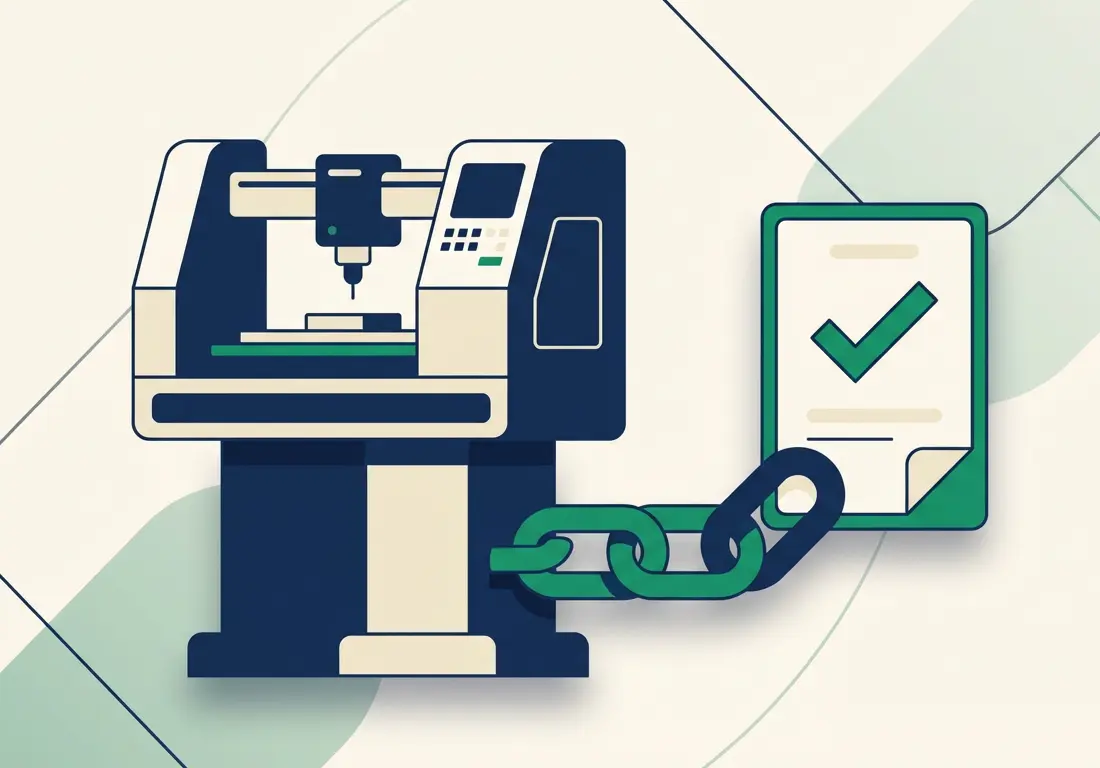
The equipment itself secures the loan, often easing approval.
Who qualifies
Equipment financing remains one of the more accessible business financing categories because the equipment itself secures the obligation. Lenders focus on both your business profile and the specific equipment being financed.
| Requirement | Minimum Threshold | Preferred Profile |
|---|---|---|
| Time in business | 6 months | 2+ years |
| Annual revenue | $50,000 | $250,000+ |
| Personal credit score | 550 | 680+ |
| Business credit | Not always required | Established Dun & Bradstreet file |
| Down payment | 10-20% for challenged credit | 0% for strong applicants |
| Industry restrictions | Some lenders avoid startups | Established industries preferred |
Equipment type significantly influences approval. Essential business equipment with strong resale markets - think commercial trucks, manufacturing machinery, or medical imaging devices - qualifies more readily than specialized items with limited secondary buyers.
Startups face higher hurdles but aren't excluded. Lenders may require larger down payments, personal guarantees, or additional collateral for businesses under two years old.
Equipment financing vs alternatives
Choosing the right financing structure depends on your specific situation. Here's how equipment financing compares to other SmarterLends product categories:
| Factor | Equipment Financing | Term Loans | Business Lines of Credit | |---|---|---| | Collateral required | Equipment itself | May require additional assets | Often unsecured | | Typical APR | 6% - 30% | 8% - 30% | 10% - 36% | | Use restrictions | Equipment purchase only | Flexible | Flexible | | Term length | 2-7 years | 1-5 years | Revolving | | Down payment | 0% - 20% | Rarely required | None | | Approval difficulty | Moderate | Moderate to high | Higher | | Disclosure requirements | Generally exempt from state laws | Subject to CA/NY disclosure | Subject to CA/NY disclosure |
A key distinction: equipment finance agreements typically fall outside state commercial financing disclosure laws like California's SB 1235 and New York's requirements. These regulations apply primarily to working capital products and merchant cash advances, not secured equipment transactions. This regulatory treatment reflects the collateralized nature of equipment financing and its similarity to traditional asset-backed lending.
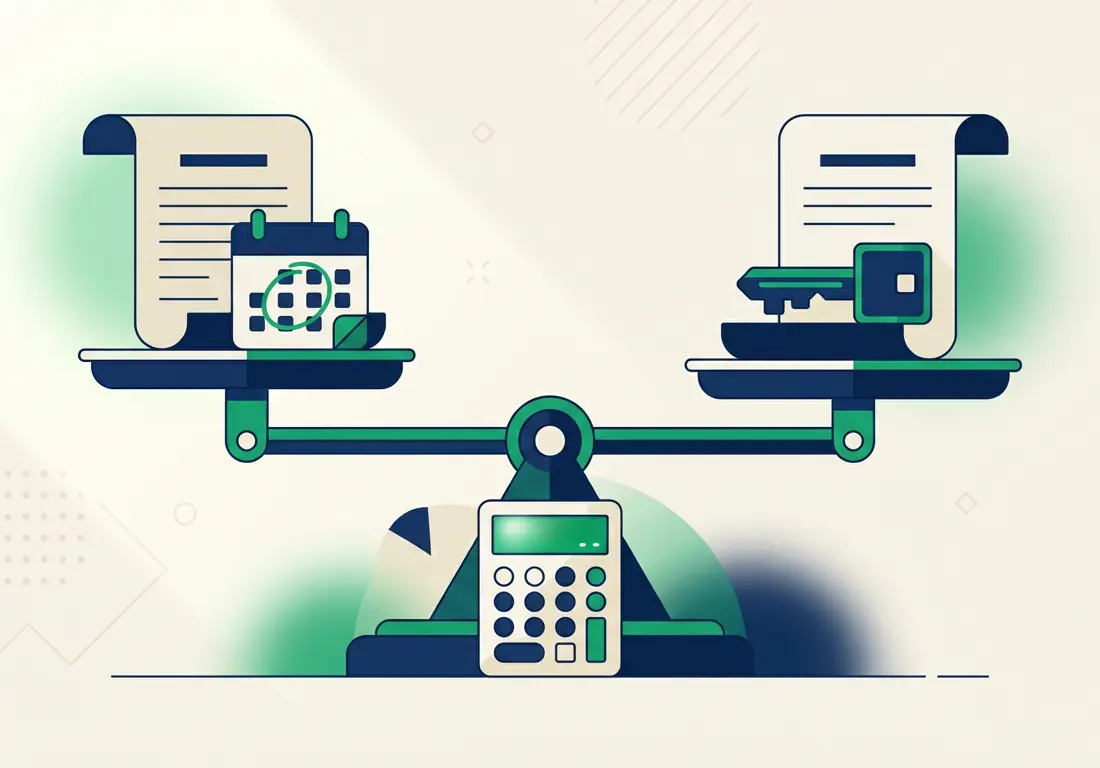
Lease vs loan — ownership, tax treatment, and cash flow tradeoffs.
When equipment financing is the right fit
Equipment financing makes strategic sense in several scenarios:
Preserving working capital for operations
A restaurant expanding to a second location needs $200,000 in kitchen equipment. Paying cash would drain operating reserves needed for inventory, payroll, and lease deposits. Financing the equipment at 8% APR over 5 years keeps $165,000+ available for opening costs while building the asset base.
Acquiring revenue-generating assets
A trucking company lands a contract requiring three additional semi-trucks. Each truck generates $8,000 monthly in revenue against $2,500 in financing costs. The equipment pays for itself while building equity. Traditional working capital loans would carry higher rates without the asset security benefit.
Timing equipment upgrades to useful life
A manufacturing firm's CNC machines require replacement every 7 years to maintain precision tolerances. Matching financing terms to useful life creates natural upgrade cycles - when one payment stream ends, the next begins with current technology. No large capital outlays interrupt cash flow.
Taking advantage of tax timing
With bonus depreciation at 20% and scheduled to expire, a construction company accelerates planned equipment purchases into the current tax year. Financing allows immediate acquisition while Section 179 deductions offset the carrying cost through tax savings.
Startups acquiring essential equipment
A new dental practice needs $150,000 in imaging and treatment equipment before seeing patients. Equipment financing provides access despite limited operating history because the specialized equipment maintains strong resale value. Traditional term loans would require established revenue the practice hasn't yet generated.
Market data
The equipment finance industry continues expanding as businesses recognize the capital efficiency benefits. According to the Equipment Leasing and Finance Association's Survey of Equipment Finance Activity, the sector finances a substantial portion of U.S. capital investment annually.
- APR Low
- APR High
Funding timelines vary by equipment complexity and lender type. Standardized assets like vehicles and common machinery fund within 1-3 days through streamlined programs. Specialized or high-value equipment requiring inspection or additional underwriting may take 5-7 days.
Bank equipment financing programs typically offer the lowest rates for borrowers with strong credit profiles, with SBA-backed options available for larger purchases. Non-bank lenders fill the gap for businesses needing faster decisions or those with credit challenges, though rates reflect the additional risk.
How to apply
Follow these steps to secure equipment financing efficiently:
Identify specific equipment needs - Obtain quotes from vendors including make, model, year (if used), and pricing. Lenders underwrite specific assets, not general equipment categories.
Gather financial documentation - Prepare your most recent three months of bank statements, two years of business tax returns (if available), and a current profit and loss statement. Startups should prepare a business plan with financial projections.
Check your credit standing - Review both personal and business credit reports. Errors happen - correcting them before applying improves your rate and approval odds.
Request quotes from multiple sources - Equipment vendors often have captive financing arms. Compare their offers against independent equipment finance companies and bank programs. Rate differences of 2-5% are common.
Evaluate total cost, not just monthly payment - A longer term reduces monthly obligations but increases total interest paid. Calculate the all-in cost including origination fees, documentation fees, and any prepayment penalties.
Negotiate terms - Down payment percentages, end-of-term purchase options, and even rates have flexibility. Strong applicants with competing offers gain leverage.
Complete application with selected lender - Submit required documentation, authorize credit checks, and provide equipment details. Expect decisions within 24-72 hours for straightforward applications.
Close and fund - Review final documents carefully, especially early payoff provisions and default terms. Once signed, funds typically reach the vendor within 1-3 business days.
Equipment financing transforms major capital expenditures into manageable monthly obligations while keeping the acquired assets working for your business. With favorable tax treatment under current Section 179 limits and bonus depreciation - even at reduced levels - the timing for equipment acquisition remains advantageous.
Ready to explore equipment financing for your business? Apply now to receive competitive offers matched to your equipment needs and credit profile. Our platform connects you with multiple equipment finance sources through a single application, helping you compare terms and secure the best available rates.
Editorial standards. SmarterLends is a referral marketing platform and earns compensation when users connect with funding partners. Our product information is editorially independent and grounded in named primary sources (regulators, federal agencies, industry trade groups). See our Disclosures for details.
Frequently asked questions
Sources(8)
- 1.Working Families Tax Cuts Help Small Businesses GrowSenate Committee on Finance · Accessed 2026-04-24
- 2.Section 179 and Equipment Financing: How to Maximize Deductions Without Draining CashEquipment Leases · Accessed 2026-04-24
- 3.Cost Segregation vs. Bonus Depreciation: Which Strategy Is Right for You?Tax Formulations · Accessed 2026-04-24
- 4.Write Off $200K in 2026, Before Bonus Depreciation Hits ZeroWhatTax Newsletter · Accessed 2026-04-24
- 5.Tax Deductions Every Business Owner Should KnowFino Partners · Accessed 2026-04-24
- 6.SBA Loan Rates April 2026NerdWallet · Accessed 2026-04-24
- 7.Business Banking, Credit Cards & LoansBank of America · Accessed 2026-04-24
- 8.Aquaponics Business Loans: The Complete Financing GuideCrestmont Capital · Accessed 2026-04-24
Funding Estimator
Compare options for your business
Day-to-day operations, payroll, inventory.
Illustrative estimate only. Actual rates, terms, and eligibility depend on your application.
Continue exploring
Related questions
Tools & calculators
Ready to see what your business qualifies for?
Check eligibility in minutes. It won't impact your credit score.