


Key takeaways
- SBA microloans offer up to $50,000 with flexible requirements for startups
- Revenue-based financing focuses on monthly sales rather than time in business
- CDFIs specialize in funding businesses that traditional banks decline
- Equipment financing uses purchased assets as collateral, reducing credit requirements
- Many state and local grants specifically target businesses under 2 years old
Starting a business is exhilarating, but finding funding during those critical first two years can feel impossible. Most traditional lenders want to see at least 24 months of operating history before they will consider your application. The good news is that numerous funding programs exist specifically for early-stage businesses, and 2026 has brought even more options to the table.
Whether you launched last month or celebrated your first anniversary recently, understanding which funding sources welcome young businesses can mean the difference between struggling and scaling.
Funding Programs Available to Startups Under 2 Years Old
SBA Microloans
The Small Business Administration microloan program remains one of the most accessible options for startups. These loans range from $500 to $50,000 and are distributed through nonprofit community lenders rather than traditional banks. The program explicitly welcomes businesses with limited operating history, making it ideal for companies under two years old.
Microloan interest rates typically fall between 8% and 13% in 2026, with repayment terms up to six years. Many microloan intermediaries also provide business training and technical assistance, which can prove invaluable for first-time entrepreneurs.
Community Development Financial Institutions
CDFIs are mission-driven lenders focused on serving underserved communities and businesses that traditional banks overlook. These institutions evaluate applications holistically, considering your business plan, industry experience, and character alongside financial metrics.
CDFI loans for startups typically range from $5,000 to $250,000, with some institutions offering amounts up to $500,000 for established revenue-generating startups. Interest rates vary but generally range from 7% to 15%, depending on the lender and your risk profile.
Revenue-Based Financing
If your startup already generates consistent monthly revenue, revenue-based financing offers a compelling alternative to traditional loans. These funders care less about how long you have been in business and more about your current and projected cash flow.
With revenue-based financing, you receive a lump sum and repay it through a percentage of your daily or weekly revenue. This structure means payments automatically adjust with your business performance. Startups can typically qualify with as little as 3 to 6 months of revenue history and monthly sales of $10,000 or more.
Business Credit Cards
Business credit cards provide immediate access to working capital without requiring years of operating history. Many cards approve applications based primarily on your personal credit score, making them accessible to brand-new businesses.
In 2026, several business credit cards offer introductory 0% APR periods of 12 to 18 months, allowing startups to finance purchases interest-free during the promotional period. Credit limits typically range from $5,000 to $50,000 depending on your creditworthiness.
Equipment Financing
Startups needing to purchase equipment often find equipment financing surprisingly accessible. Because the equipment itself serves as collateral, lenders face less risk and can approve businesses with shorter operating histories.
Equipment financing typically covers 80% to 100% of the purchase price, with terms matching the expected useful life of the equipment. Startups with at least 6 months in business and credit scores above 600 can often qualify for competitive rates.
Startup Grants
Unlike loans, grants provide funding you never need to repay. While highly competitive, numerous grant programs specifically target young businesses. These include federal programs through the Small Business Innovation Research and Small Business Technology Transfer programs, state economic development grants, corporate foundation grants, and pitch competition prizes.
Grant amounts vary widely, from $1,000 local awards to $250,000 or more for federal innovation grants. The application process requires significant time and effort, but the reward of free capital makes it worthwhile.
Eligibility Specifics for Startups Under 2 Years
Documentation Requirements
Even without years of financial history, lenders need documentation to evaluate your application. Prepare to provide:
- Business plan with financial projections
- Personal and business bank statements (3 to 12 months)
- Personal tax returns (1 to 2 years)
- Business tax returns if available
- Profit and loss statements
- Balance sheet
- Business licenses and registrations
- Personal credit report authorization
Personal Credit Considerations
For startups lacking established business credit, your personal credit score carries significant weight. Most lenders want to see personal scores of at least 650, though some CDFI and microloan programs work with scores as low as 580.
Before applying, review your credit reports for errors and address any issues. Even small improvements to your score can unlock better rates and terms.
Collateral and Personal Guarantees
Many startup loans require collateral or personal guarantees to offset the risk of lending to young businesses. Collateral might include equipment, inventory, real estate, or accounts receivable. A personal guarantee means you are personally responsible for repayment if your business cannot pay.
Unsecured options exist but typically come with higher interest rates or lower funding amounts.

Funding sources evolve from personal capital to revenue-based to bank credit.
Real-World Funding Examples
Tech Startup Secures Growth Capital
Marcus founded a software development agency in Austin 14 months ago. With $18,000 in monthly recurring revenue but no loan history, traditional banks declined his application for expansion capital. He turned to a revenue-based financing provider and received $75,000 based on his revenue trajectory. The funds allowed him to hire two additional developers and take on larger client projects.
Food Truck Owner Builds Mobile Kitchen
Samantha dreamed of launching a gourmet food truck in Portland but needed $40,000 for a used truck and kitchen equipment. Just 8 months into her business journey and operating from a shared commercial kitchen, she applied for an SBA microloan through a local CDFI. Her detailed business plan and catering experience convinced the lender to approve $35,000, which she supplemented with a $5,000 business credit card.
E-Commerce Brand Funds Inventory
Jamal launched an online home goods store 10 months ago. Sales were growing, but he needed $25,000 to purchase inventory for the upcoming holiday season. With strong personal credit and consistent monthly sales of $12,000, he qualified for a short-term working capital advance. The inventory investment generated $85,000 in Q4 revenue.
Frequently Asked Questions
Can I get an SBA loan with less than 2 years in business?
Yes, several SBA loan programs serve startups under 2 years old. The SBA microloan program specifically targets early-stage businesses, and some SBA 7(a) lenders work with startups that have strong business plans, relevant industry experience, and sufficient collateral. Community Advantage lenders within the SBA network often specialize in startup financing.
What is the easiest type of funding to get for a new startup?
Business credit cards typically offer the easiest approval process for new startups since decisions are based primarily on personal credit scores rather than business history. Equipment financing also provides relatively easy access because the purchased equipment serves as collateral. For larger amounts, revenue-based financing offers straightforward approval for startups already generating consistent monthly sales.
How much funding can a startup under 2 years old realistically obtain?
Funding amounts for young startups typically range from $5,000 to $250,000, depending on the funding type and your qualifications. SBA microloans cap at $50,000, while CDFI loans and revenue-based financing can reach $250,000 or more. Combining multiple funding sources allows some startups to access $500,000 or more in total capital.
Do I need a business plan to get startup funding?
Most startup lenders require a business plan, especially when you lack years of financial history to demonstrate your viability. Your plan should include market analysis, financial projections, information about your team, and details about how you will use the funding. Some revenue-based financing providers and business credit cards do not require formal business plans.
Will applying for business funding hurt my credit score?
Applying for business funding may result in a hard credit inquiry, which can temporarily lower your credit score by a few points. However, this impact is typically minimal and short-lived. When comparing lenders, ask whether they perform soft pulls for prequalification, which do not affect your score. Multiple hard inquiries for the same type of credit within a short period are usually counted as a single inquiry.
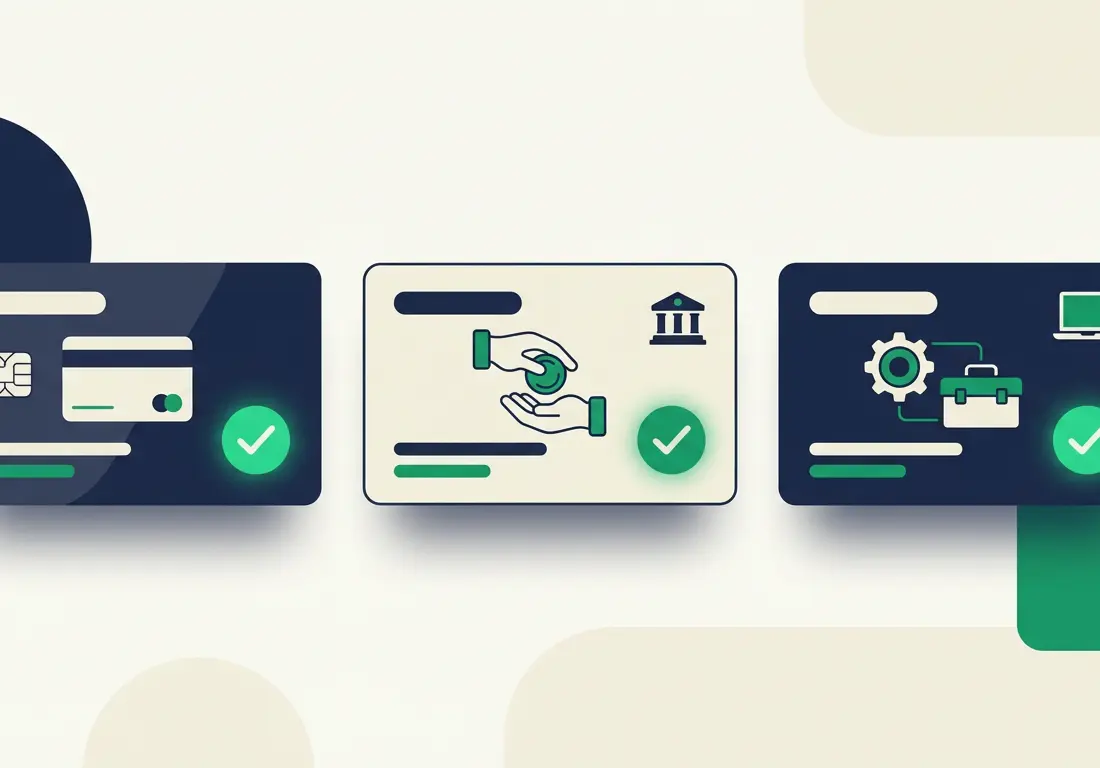
Most pre-revenue startups start with credit cards, microloans, or equipment financing.
Take the Next Step Toward Funding Your Startup
Being under two years old does not mean you cannot access the capital your business needs to grow. From SBA microloans to revenue-based financing, multiple pathways exist for early-stage companies ready to scale.
The key is matching your specific situation - your revenue, credit profile, funding needs, and growth plans - with the right funding programs. Start by gathering your documentation, understanding your options, and applying to lenders that specialize in working with young businesses.
Explore your startup funding options today and discover which programs match your business profile.
Sources(4)
- 1.SBA Microloan ProgramU.S. Small Business Administration · Accessed January 2026
- 2.Business Formation StatisticsU.S. Census Bureau · Accessed January 2026
- 3.Small Business Credit Survey 2024: Report on Employer FirmsFederal Reserve Banks · Accessed January 2026
- 4.Frequently Asked Questions About Small BusinessSBA Office of Advocacy · Accessed January 2026
Funding Estimator
Compare options for your business
Day-to-day operations, payroll, inventory.
Illustrative estimate only. Actual rates, terms, and eligibility depend on your application.
Continue exploring
Related questions
Tools & calculators
Ready to see what your business qualifies for?
Check eligibility in minutes. It won't impact your credit score.