

Key takeaways
- Wisconsin's manufacturing-heavy economy drives strong demand for equipment financing and SBA 504 loans for fixed assets
- The Wisconsin SBA District Office in Milwaukee serves the entire state with dedicated small business lending support
- Wisconsin does not have a state-specific commercial financing disclosure law - federal CFPB protections apply
- About 58% of small firms nationwide rely on credit cards as a financing source according to Federal Reserve survey data
- Agriculture and food processing businesses in Wisconsin frequently use seasonal lines of credit and USDA programs
Wisconsin's small business community forms the backbone of the state's economy, spanning manufacturing hubs in Milwaukee to agricultural operations throughout the rural counties. With a deeply rooted tradition of localized administration across 72 counties and nearly 600 cities and villages, Wisconsin entrepreneurs benefit from both regional economic development programs and federal funding sources.
Wisconsin small business landscape
The Badger State maintains a robust small business ecosystem driven by its manufacturing heritage, agricultural strength, and growing service sectors. Wisconsin's economic diversity creates varied funding needs - from heavy equipment purchases for manufacturers to working capital for seasonal tourism businesses.
Wisconsin businesses benefit from strong community banking relationships, with many regional banks offering SBA preferred lender status. The state's manufacturing concentration means equipment financing and asset-based lending remain particularly popular among local businesses.
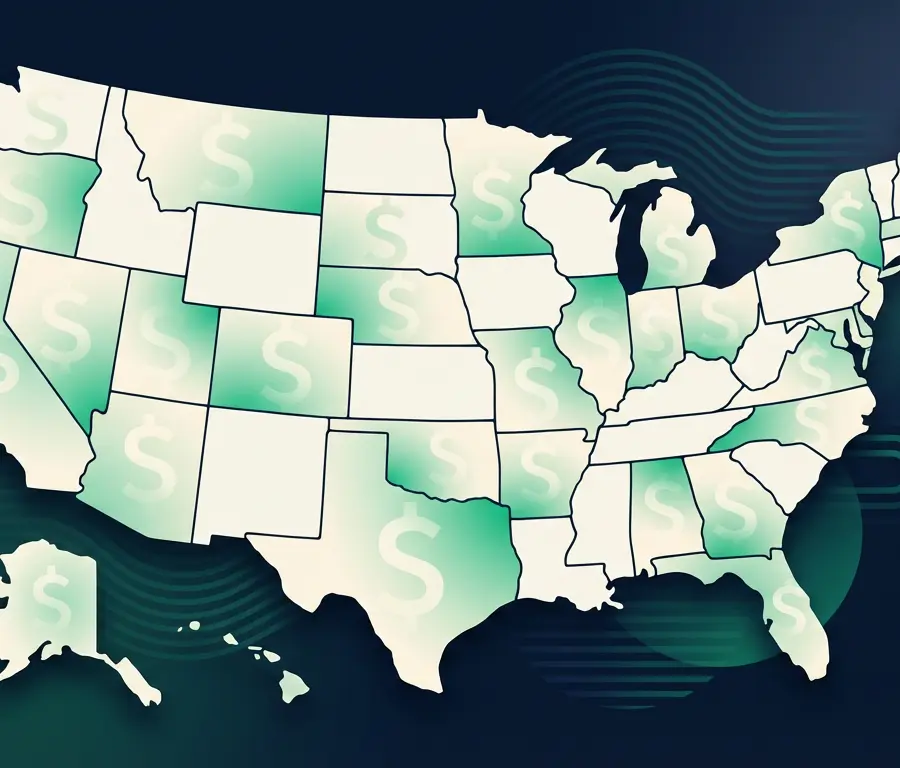
- Funding Intensity
Top funding-heavy industries in Wisconsin
Manufacturing
Manufacturing represents Wisconsin's largest economic sector, with the state ranking among national leaders in paper products, machinery, and food processing equipment. These businesses typically require substantial capital for equipment purchases, facility expansions, and inventory management. SBA 504 loans prove especially valuable for Wisconsin manufacturers seeking to acquire real estate or major machinery with favorable long-term rates.
Agriculture and food processing
Wisconsin's dairy industry and broader agricultural sector create seasonal funding patterns that shape local lending practices. Farm operations and food processors often utilize lines of credit to manage cash flow between harvest cycles and production seasons. The U.S. Small Business Administration provides resources alongside USDA programs to support agricultural businesses across the state.
Healthcare and professional services
The healthcare sector continues expanding throughout Wisconsin, particularly in metropolitan areas like Milwaukee, Madison, and Green Bay. Medical practices and professional service firms frequently seek working capital loans and equipment financing for technology upgrades. These businesses typically present lower risk profiles, making them attractive candidates for conventional bank financing.
State-level funding patterns vary with industry mix and SBA district performance.
Funding options available in Wisconsin
| Funding Type | Typical Amount | Approval Speed | Best For |
|---|---|---|---|
| SBA 7(a) Loans | Up to $5,000,000 | 30-90 days | Established businesses, real estate, equipment |
| SBA 504 Loans | Up to $5,500,000 | 60-90 days | Fixed assets, commercial property |
| Business Lines of Credit | $10,000-$500,000 | 1-14 days | Seasonal cash flow, inventory |
| Equipment Financing | Up to $5,000,000 | 3-30 days | Manufacturing machinery, vehicles |
| Revenue-Based Financing | $5,000-$500,000 | 1-5 days | Quick working capital needs |
| SBA Microloans | Up to $50,000 | 30-60 days | Startups, small inventory purchases |
Wisconsin SBA district office
The Wisconsin District Office serves the entire state from its location in Milwaukee. This office coordinates with a network of Small Business Development Centers (SBDCs) hosted by University of Wisconsin campuses throughout the state, including the lead center at UW-Madison. SCORE mentors provide additional guidance to Wisconsin entrepreneurs seeking funding and business development support.
The Wisconsin SBDC network offers free consulting on loan applications, business plan development, and financial projections - services that strengthen funding applications. Business owners can access these resources through regional centers in Madison, Milwaukee, Green Bay, and other communities statewide.
Wisconsin regulatory environment
Wisconsin does not currently have a state-specific commercial financing disclosure law like those enacted in California or New York. Wisconsin business owners seeking financing protections should reference federal Consumer Financial Protection Bureau guidelines and Federal Trade Commission small business resources.
Regarding interest rates, Wisconsin's usury laws contain common exemptions for commercial transactions. Federal law, including the Marquette National Bank decision and subsequent legislation, effectively allows federally chartered banks and certain lenders to operate outside state usury limits for business lending. Wisconsin business owners should review specific loan terms carefully and consult legal counsel when evaluating financing agreements.
Finding the right funding in Wisconsin
Wisconsin's tax environment has drawn attention for its impact on small business finances. Recent federal tax provisions continue affecting Wisconsin business owners' bottom lines, making cash flow management and strategic financing decisions increasingly important.
Seasonal businesses throughout Wisconsin face unique challenges in maintaining consistent cash flow. Building reserve funds during peak seasons and establishing credit lines before slow periods represent sensible financial management strategies. The U.S. Small Business Administration provides guidance on revenue diversification that helps seasonal operations maintain stability year-round.
For Wisconsin manufacturers considering major equipment purchases, the SBA 504 loan program offers particular advantages. This program allows businesses to finance fixed assets with lower down payments than conventional loans while benefiting from below-market fixed interest rates on the CDC portion of the loan.
How do Wisconsin businesses typically access capital?
Most Wisconsin small businesses start with traditional bank relationships, particularly given the state's strong community banking sector. Regional banks familiar with local industries often provide more flexible terms than national institutions. For businesses that don't qualify for conventional financing, SBA-guaranteed loans offer an alternative pathway. The guarantee reduces lender risk, enabling approval for businesses that might otherwise be declined.
What resources help Wisconsin businesses prepare loan applications?
The Wisconsin Small Business Development Center network provides free assistance with loan packaging, financial projections, and business planning. These centers operate through University of Wisconsin campuses statewide. SCORE volunteers, many with banking and finance backgrounds, offer mentorship on funding strategies. The Wisconsin District Office maintains relationships with SBA-preferred lenders who understand program requirements and can expedite applications.
Are there funding programs specific to Wisconsin manufacturers?
While SBA programs serve all industries, Wisconsin's manufacturing focus means many lenders specialize in equipment financing and asset-based lending for industrial operations. The SBA 504 program proves especially relevant for manufacturers purchasing machinery or expanding facilities. Some Wisconsin economic development organizations also coordinate state-level incentives that can complement federal loan programs.
Wisconsin business owners seeking funding should start by assessing their specific needs, gathering financial documentation, and connecting with local SBDC advisors who understand regional lending patterns and can match businesses with appropriate funding sources.
Editorial standards. SmarterLends is a referral marketing platform and earns compensation when users connect with funding partners. Our state-level funding information is editorially independent and grounded in named primary sources (SBA, Federal Reserve, FDIC, state regulators). See our Disclosures for details.
Frequently asked questions
Sources(9)
- 1.SBA Loan Maximums in 2026U.S. Small Business Administration · Accessed 2026-04-24
- 2.Why credit card rate caps hurt consumers, small businessesPayment Week · Accessed 2026-04-24
- 3.Wisconsin Cities by Population 2026World Population Review · Accessed 2026-04-24
- 4.Smart Cash Flow Solutions for Seasonal BusinessesWisconsin Scorpions · Accessed 2026-04-24
- 5.Wisconsin small businesses benefit from Trump tax cutsGM Today · Accessed 2026-04-24
- 6.CDC Small Business Financing: Leveraging the 504 Loan Program for GrowthOreate AI Guides · Accessed 2026-04-24
- 7.Usury Laws and Federal Bank ExemptionsWikipedia · Accessed 2026-04-24
- 8.In the Lead Best Minority Owned Businesses 2026Daily Reporter · Accessed 2026-04-24
- 9.Consumer Financial Protection Bureau Small Business ResourcesConsumer Financial Protection Bureau · Accessed 2026-04-24
Funding Estimator
Compare options for your business
Day-to-day operations, payroll, inventory.
Illustrative estimate only. Actual rates, terms, and eligibility depend on your application.
Continue exploring
Related questions
Tools & calculators
Ready to see what your business qualifies for?
Check eligibility in minutes. It won't impact your credit score.